You're sitting in the hospital recovery room, half-awake, when the lactation consultant hands you a flange and says, “We use Medela here.” That's it. Three words, and the purchasing decision is made for millions of new mothers every year. By the time you're home, you've already ordered the Medela Pump In Style through insurance — free, familiar-sounding, and who has the bandwidth to comparison-shop while learning to keep a newborn alive?
Fair enough. But there's a gap between what Medela's marketing promises and what independent testing reveals — wider than any other pump we've reviewed for this Medela Pump In Style review. Here's the breakdown.
What Is the Medela Pump In Style with MaxFlow?
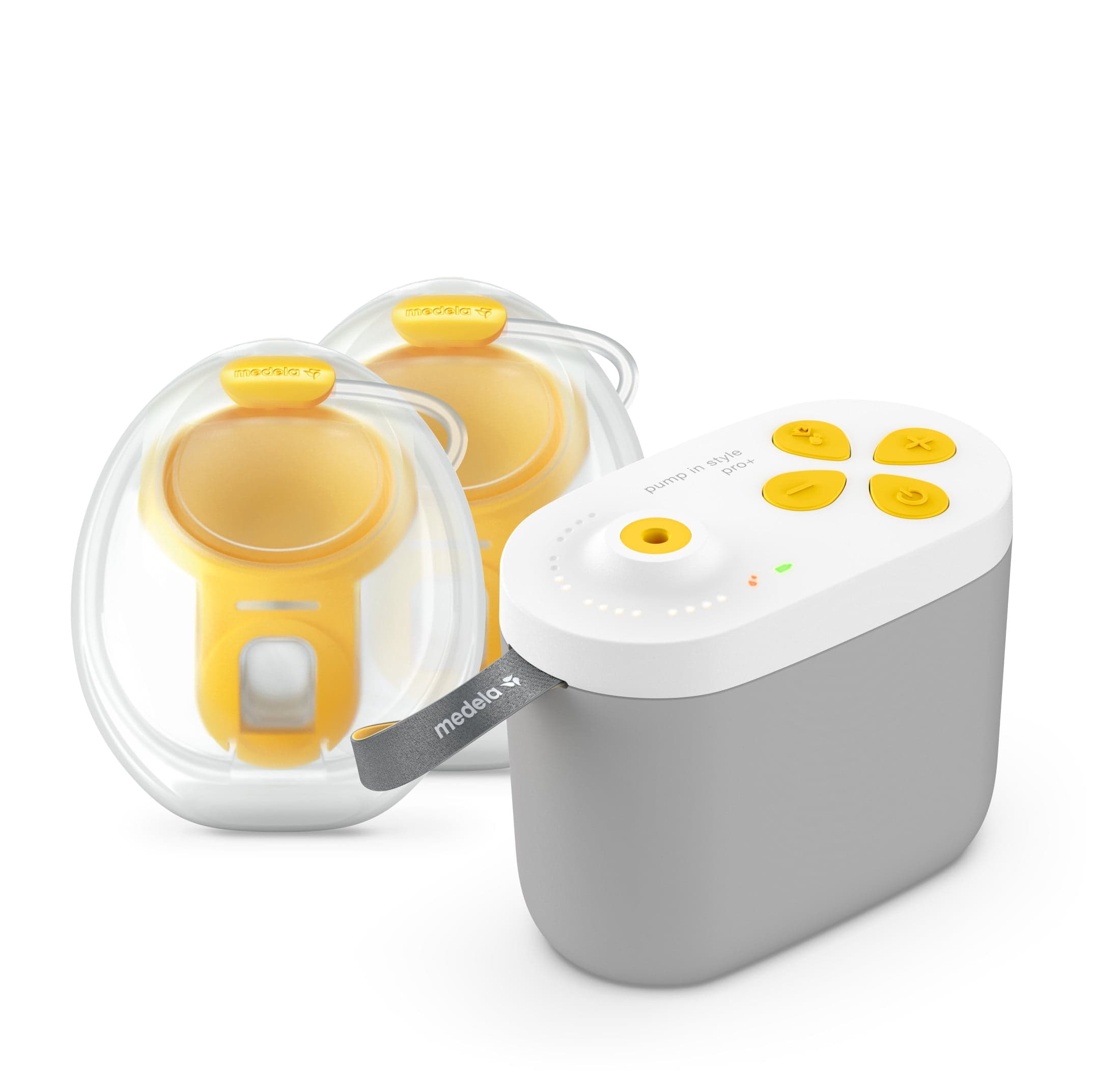
A double electric Medela breast pump, FDA Class II medical device. Medela sells several Pump In Style variants — the naming is genuinely confusing, so here's the breakdown.
Pump In Style Advanced (pre-2020): Open system, no backflow protector. Milk could reach tubing and motor housing. Do not share or buy secondhand.
The Pump In Style with MaxFlow(2020+) is the current standard — closed system, backflow protector, reviewed here. Retails $118–$180, commonly ~$150, but most moms get it at $0 through insurance.
Pump In Style Pro / Pro+: Rechargeable battery, smaller form factor, higher price. We'll review those separately.
Secondhand listing that says “Pump In Style” without “MaxFlow”? Old open system. Walk away.
Key Specs and What Ships in the Box
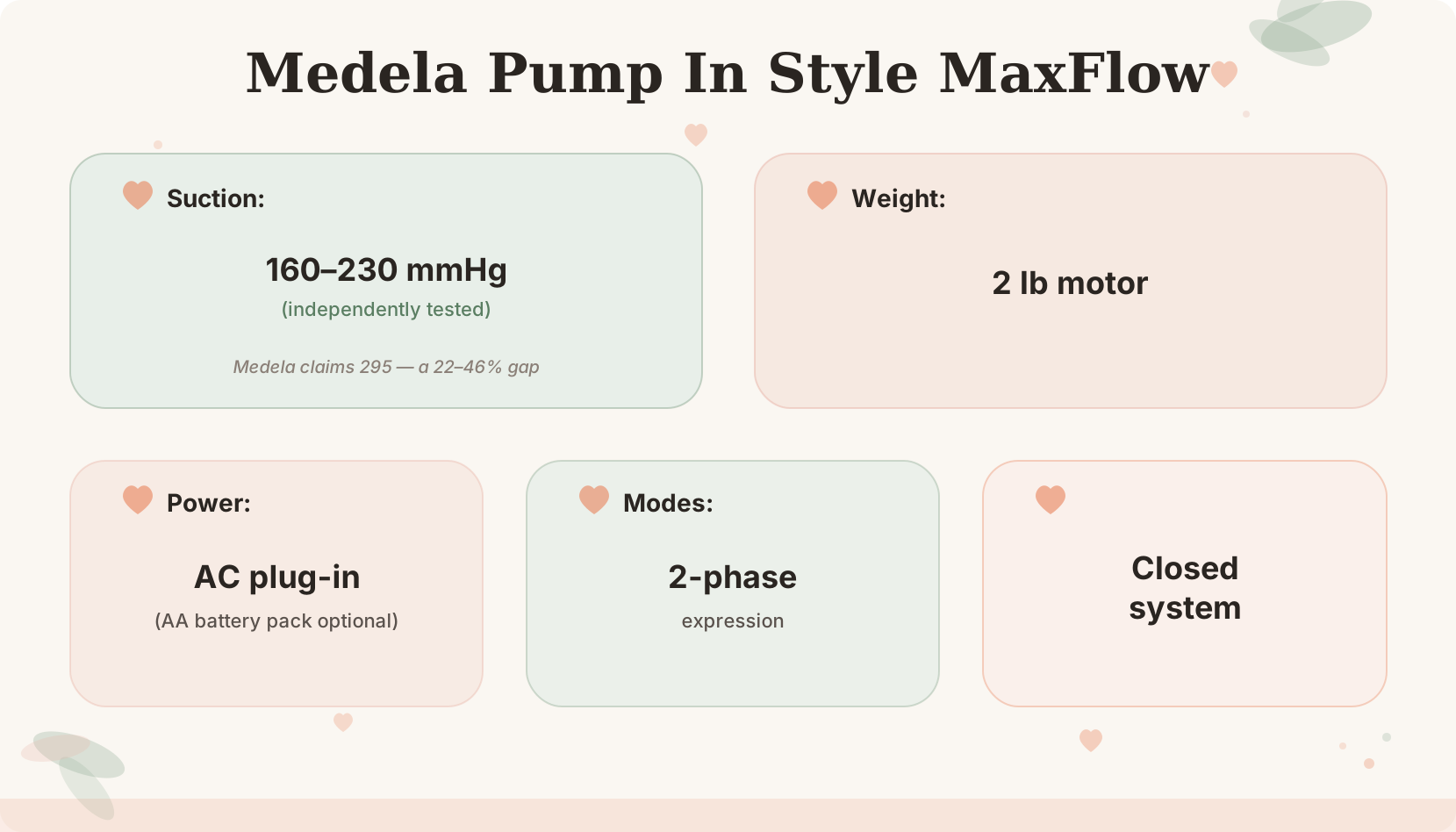
The numbers on the box — plus a few the box conveniently skips.
| FDA Status | Class II medical device, 510(k) cleared |
|---|---|
| Price (Retail) | $118–$180 (commonly ~$150) |
| Price (Insurance) | Almost universally $0 through insurance |
| Weight | ~2 lbs (motor unit); ~5 lbs with bag and accessories |
| Max Suction (Claimed) | 295 mmHg |
| Max Suction (Independent) | ~160 mmHg (BabyGearLab) / 190–230 mmHg (New Little Life) |
| Modes | 2-phase expression (stimulation + expression) |
| Flanges Included | 21mm + 24mm PersonalFit Flex (105-degree angle) |
| Flange Range Available | 15mm, 17mm, 18mm, 20mm, 21mm, 24mm, 27mm, 30mm, 36mm (sold separately) |
| Battery | AC adapter only — optional AA battery pack (8x AA, sold separately) |
| Noise | 58–59 dB |
| System Type | Closed system (MaxFlow version only) |
| Connectivity | None (no app or Bluetooth) |
| Warranty | 1 year |
| In the Box | Motor, tote bag or backpack, 2 PersonalFit Flex flanges (21mm + 24mm), 2 bottles, tubing, membranes, valves, AC adapter, cooler bag with ice pack |
Inside the box: motor unit in a tote bag or backpack (version-dependent), two PersonalFit Flex flanges (21mm and 24mm), two bottles with lids, tubing, membranes, valves, AC adapter, and a cooler bag with ice pack. Functional kit. The cooler bag does feel like it time-traveled from 2015.
Notice the two suction numbers in that table? We're about to spend some time on those.
Setting Up and First Impressions
Unboxing is quick. The tote keeps everything organized, motor in a padded pocket at the back. Assembly:
- Attach the membraneto the yellow connector. Flat, no wrinkles — wrinkles kill suction.
- Press the valve into the connector until it snaps.
- Connect the PersonalFit Flex flange.You'll notice the 105-degree angle right away — it tilts down instead of pointing straight out.
- Thread tubing to the motor unit.
- Bottle on, adapter in. Done.
Those angled flanges are the first thing that register. The 105-degree tilt means you can sit upright while pumping — no hunching forward to keep milk from running the wrong direction. Genuinely nice at 2 AM when your back already hates you.
Then you press the power button. And everyone in the room knows you're pumping. Subtle, this appliance is not.

Pumping Performance: Marketing vs Reality
Medela claims 295 mmHg of maximum suction for the Pump In Style MaxFlow. Independent labs tell a different story.
BabyGearLab — which runs standardized suction testing across dozens of pumps — measured the Pump In Style with MaxFlow at roughly 160 mmHg. New Little Life got 230 mmHg in stimulation mode, 190 mmHg in expression. That's 160–230 mmHg vs. a 295 mmHg claim: a 22–46% gap between marketing and reality.
Context helps. The Spectra S1 claims 320 mmHg and tests at ~270 (16% gap). The BabyBuddhaclaims 315–320 and tests at ~290 (8–10% gap). The Medela Pump In Style has the worst claim-to-reality ratio of any major pump we've tested.
Does weaker suction make it a bad pump? Not automatically. Research on breast shield geometry and milk expression shows flange fit, vacuum pattern, and cycle speed all contribute to output. Plenty of moms get solid output from the Medela. But “solid output” and “295 mmHg of suction power” are selling two different stories. (Medela's marketing team earned their bonus that quarter.)
Sessions typically run 15–20 minutes for a full empty. The Spectra S1averages 12–18 minutes; BabyBuddha averages 10–13. For occasional pumping, that gap barely registers. For exclusive pumping on a full schedule, five extra minutes across seven or eight daily sessions is 35–40 minutes of your day. Every day.
The PersonalFit Flex Advantage
Suction is where the Medela disappoints. Flange design is where it genuinely leads.
Most breast pump flanges sit at 180 degrees — straight out from your body. Gravity pulls milk toward the back of the flange, you lean forward to compensate, and by day three your lower back is staging a protest. The PersonalFit Flex flanges sit at 105 degrees, tipping the assembly so milk flows down into the bottle whether you're upright, reclined, or somewhere in between.
Even moms who are otherwise underwhelmed by the Pump In Style tend to praise the flanges. One EP mom in a pumping support group put it bluntly: “I didn't realize how much I was hunching forward until I switched to the Flex flanges and could actually sit up straight.”
Then there's sizing. Medela offers PersonalFit Flex flanges from 15mm to 36mm — nine sizes, the widest range from any manufacturer. Spectra ships 24mm and 28mm. Most wearables cover 21–28mm. Fall outside that standard window — and many women do — and Medela is one of the only brands with an off-the-shelf answer. No third-party inserts, no duct-tape-and-prayer sizing hacks. (Need to find your correct flange size? Start there before picking a pump.)
The right flange fit arguably matters more than raw suction for long-term output and comfort. Too large compresses areola tissue and restricts flow. Too small causes friction and pain, which inhibits the oxytocin reflex needed for letdown. Medela's wide range gives you more shots at finding the size that actually works — no guessing, no third-party workarounds.
Noise, Portability, and the Battery Problem
At 58–59 dB, the Pump In Style is the loudest pump in its class. A normal conversation runs about 60 dB. You will not take a phone call while this pump is running. One Reddit user nailed it: “My husband can hear it from the other room, and the cat leaves every time I turn it on.” The Spectra S1 sits under 45 dB. The Elvie Strideis practically silent. If you're pumping at work with thin walls, plan accordingly.
The motor weighs about 2 pounds; the full tote tips around 5. Not backbreaking, but not purse-friendly either. Next to a Momcozy M5or BabyBuddha, the Medela feels like bringing a lunchbox to a snack fight. The tote itself is fine — pockets for everything — but the footprint screams 2015.
And then there's the battery situation. Or rather, the lack of one. No rechargeable battery in 2026. The AC adapter is your lifeline, which means scouting wall outlets before every session like a traveler in a foreign airport. Kitchen counter, office, car — you'll develop a sixth sense for three-prong plugs.
Medela does sell an optional AA battery pack: eight AA batteries, provides maybe a few sessions before dying. Community consensus is brutal. “I went through $40 of AA batteries in one month,” wrote one mom in a pumping forum. Another called the battery pack “the most expensive way to be disappointed.” Unless you're genuinely stranded without power, skip it.
Medela vs Spectra S1 vs BabyBuddha
Three pumps, three price points, three different priorities. Side by side:
| Feature | Medela Pump In StyleBest for: insurance coverage | Spectra S1Best for: suction + portability | BabyBuddha 2.0Best for: maximum output |
|---|---|---|---|
| Price | $118–$180 (free w/ insurance) | $160–$225 | $205–$230 |
| Weight | ~2 lbs (motor) | 3.3 lbs | 6.8 oz |
| Max Suction (Independent) | 160–230 mmHg | ~270 mmHg | ~290 mmHg |
| Noise | 58–59 dB | <45 dB | 42–60 dB |
| Battery | AC only (AA pack optional) | Rechargeable (~3 hours) | Rechargeable (~60 min) |
| Flange Range | 15–36mm | 24–28mm (inserts available) | 13–24mm (with inserts) |
| System Type | Closed (MaxFlow) | Closed | Closed |
| Warranty | 1 year | 2 years | 2 years |
| Best For | Insurance-covered first pump | Comfortable home + portable use | Maximum portable suction |
The Medela wins on insurance accessibility and flange options. If “$0 out of pocket” and “widest flange selection” top your list, it's the logical starting pump.
The Spectra S1 wins on suction, battery life, noise, and warranty. For moms willing to spend $160–$225 (or use insurance), it outperforms the Medela on most metrics. Our Spectra S1 vs S2 comparison breaks down the battery question.
BabyBuddha wins on portable power — 6.8 ounces, 290 mmHg independent suction. It beats the Medela on nearly everything except flange range and insurance coverage. Full BabyBuddha review here.
The pattern we hear from EP communities over and over: get the Medela free through insurance, use it for a few weeks, and if you're committed to exclusive pumping or need portability, buy a Spectra or BabyBuddha as your upgrade. The Medela becomes the backup.
Insurance: Where the Medela Wins
This is the Medela Pump In Style's genuine superpower. It's why the pump remains America's most popular despite technically superior alternatives existing at every price point.
Under the Affordable Care Act, most insurance plans must cover a breast pump as preventive care at no cost. The Pump In Style sits on virtually every insurer's covered list at the base tier — no upgrade fee, no hoops, no waiting. Other pumps often require a $30–$200 out-of-pocket upgrade or aren't available through insurance at all.
How it works: contact a DME supplier (Aeroflow, Edgepark, 1 Natural Way, Byram Healthcare). They verify your coverage, handle the paperwork, and ship the pump — often before your due date if you order 30 days out.
Even if your plan doesn't cover pumps (some grandfathered plans are exempt), the Pump In Style is HSA/FSA eligible. At $118–$180 retail, it's also just a cheaper pump than most competitors at full price.
If you're unsure whether you'll be exclusively pumping or how long you'll stick with it, getting the Medela at $0 through insurance is a zero-risk starting point. You lose nothing. Upgrade later once you know what your body and schedule actually need.
Common Problems and How to Fix Them
The issues that come up repeatedly in EP groups and support forums, along with fixes that experienced Medela users have landed on.
Weak suction.Might genuinely be weaker — see the independent testing data above. Before blaming the pump: check the membrane (flat, no wrinkles), valve (replace every 2–4 weeks), and tubing connections (firmly seated). A worn valve or crinkled membrane can tank suction. If everything is fresh and output still disappoints, you may have outgrown what this pump can deliver.
Valves and membranes wear out fast — that's consumable life, not a defect. Budget for replacements every 2–4 weeks with daily use. One upside of Medela's market dominance: replacement parts are at every Target, Walmart, and Amazon listing. Keep a spare set in your pump bag.
The AA battery pack.We covered this above, but it bears repeating: eight AAs, heavy, dies fast, expensive. If you need cordless pumping, invest in a portable pump as your secondary. Some moms have rigged a portable charger with the right adapter — search “Medela car adapter” if you want to try that route.
MaxFlow vs. Advanced confusion.No backflow protector between flange and tubing? You have the older open-system Advanced. Do not buy or accept a secondhand Advanced — hygiene risk. The MaxFlow version prints “MaxFlow” on the motor and includes the backflow protector in every flange set.
Motor smells or tubing condensation usually mean the membrane is incorrectly seated or damaged, letting milk past the backflow protector. Replace the membrane, confirm it sits flat, run the pump dry for a minute. If milk has entered the tubing, replace the tubing — you cannot fully sanitize it.
Who Should (and Shouldn't) Buy It
Overall score
out of 10
What we like
- Free through insurance — almost universally covered at $0
- PersonalFit Flex flanges with 105-degree angle reduce forward leaning
- Widest flange size range available (15mm–36mm)
- Closed system with backflow protector (MaxFlow version)
- Hospital brand trust — replacement parts available everywhere
- Easy to find replacement parts at any major retailer
What could be better
- Massive gap between claimed (295 mmHg) and tested suction (160–230 mmHg)
- No rechargeable battery — AC adapter required for every session
- Loudest pump in its class at 58–59 dB
- Shortest warranty in category (1 year vs 2 years for competitors)
- No smart features — no app, no Bluetooth, no session tracking
- Confusing model lineup (MaxFlow vs Advanced vs Pro vs Pro+)
Get the Medela Pump In Style if:
- You want a $0 insurance pump to start with. No risk, no out-of-pocket cost — the most financially rational first pump for anyone unsure about their pumping future.
- You need unusual flange sizes. Below 21mm or above 28mm? Medela's PersonalFit Flex range (15–36mm) covers you without third-party inserts.
- Your pumping happens near outlets. Home desk, office with wall power, kitchen counter — if you're rarely cordless, the battery gap matters less.
- You want parts you can buy at midnight. Medela valves and membranes are at every Target, Walmart, and Amazon. When something dies at 11 PM, you can replace it by morning.
Look elsewhere if:
- You're exclusively pumping and need strong suction. The verified suction gap adds up across seven to eight daily sessions. A full pumping schedule demands efficient emptying — the Spectra S1 or BabyBuddha will serve EP moms better.
- You need cordless pumping. No rechargeable battery in 2026 is a dealbreaker for anyone who regularly pumps away from outlets. The AA pack is not a real solution.
- Noise matters. Calls, shared offices, sleeping baby nearby — 58 dB will announce itself. Every time.
- You want session tracking. No app, no Bluetooth, no data logging. If that matters, look at pumps with companion apps.
For moms building or maintaining supply, pairing the Medela with power pumping sessionscan help — the technique works regardless of pump brand, since frequent emptying signals the body to increase production. Just plan to be near an outlet for the full 60-minute session. (The Medela Pump In Style will happily chug along the whole time. Loudly.)
Related Reading
- Spectra S1 vs S2 — Which Spectra Is Right for You?
- BabyBuddha Breast Pump Review — Portable Power That Lives Up to the Hype
- Pumping at Work — Your Rights and Setup Guide
- Pumping Schedule by Age — Month-by-Month Guide
- Medela Symphony Review — The Hospital-Grade Pump Worth Renting?
- Best Hospital Grade Breast Pumps (2026) — Spectra vs Medela
- Best Breast Pumps (2026) — 6 Pumps Ranked