Breast Pump Reviews
Honest, evidence-based reviews from exclusive pumpers who actually use these pumps daily. No sponsored rankings — just what works, what doesn't, and who each pump is really for.
Last updated: June 2026
Best Of Guides
Not sure which pump to buy? Start with one of our ranked roundups:
- Best Breast Pumps 2026 — all 6 pumps ranked
- Best Hands-Free Breast Pump — wearable + hands-free options
- Best Wearable Breast Pump — in-bra pumps compared
- Best Hospital Grade Breast Pump — strongest personal-use pumps
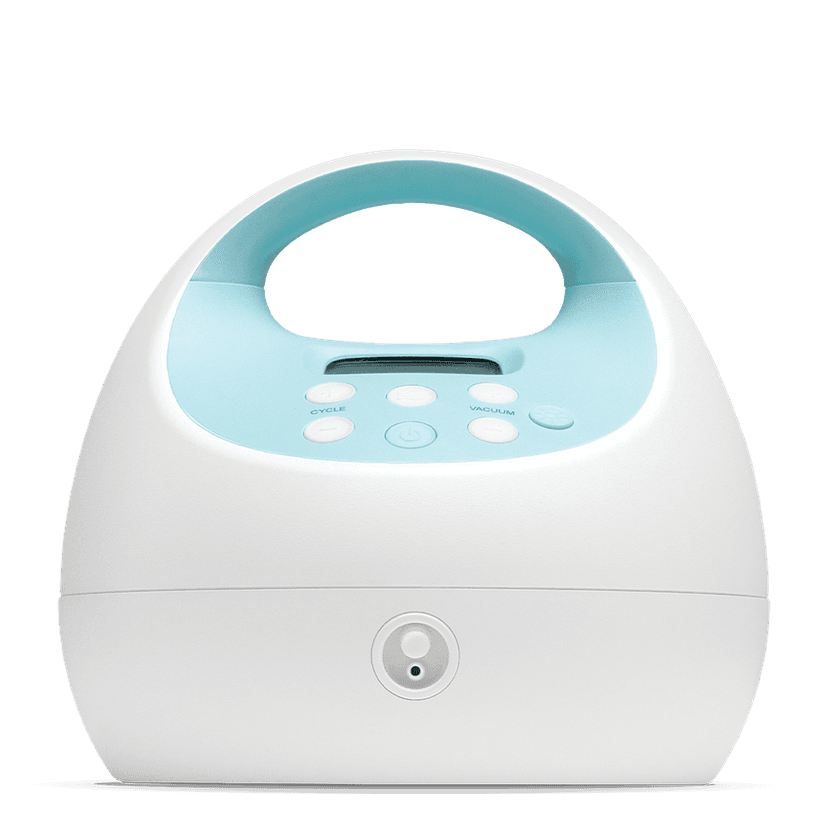
Hospital-grade portable
Spectra S1 Plus
Strong, quiet, and cord-free — the best suction-to-noise ratio you can buy. The battery is worth it if you pump untethered daily.

Hospital-grade tabletop
Spectra S2 Plus
The best $0 insurance pump. Same 270 mmHg motor as the S1 for free through most plans — add a $25 battery pack and the cord becomes optional.
Comparison
Spectra S1 vs S2
Same motor, same suction — the only real difference is a battery. The S2 is the better value for most home pumpers.
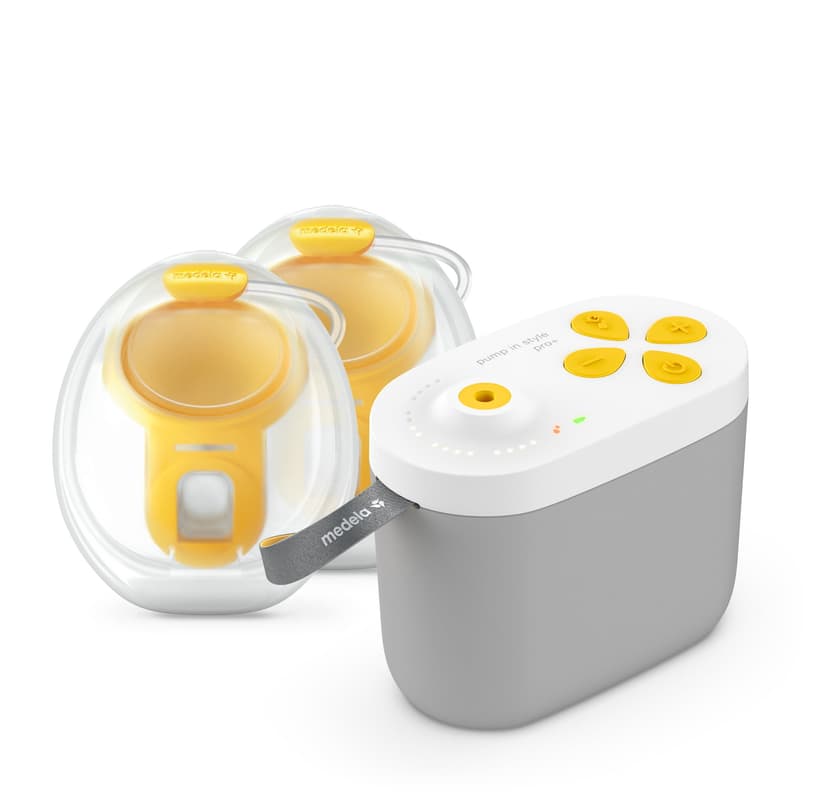
Hospital-grade portable
Medela Pump In Style
Great flanges, trusted brand — but Medela won't publish independent suction data. That matters.
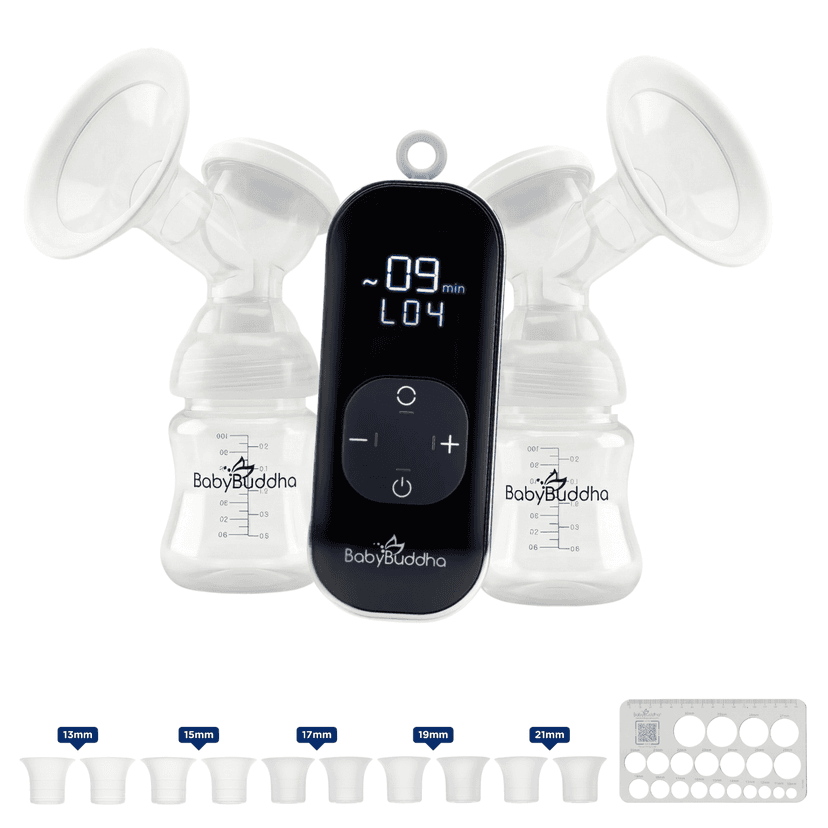
Portable
BabyBuddha
The strongest suction in a portable form factor. A cult favorite among EP moms for good reason.
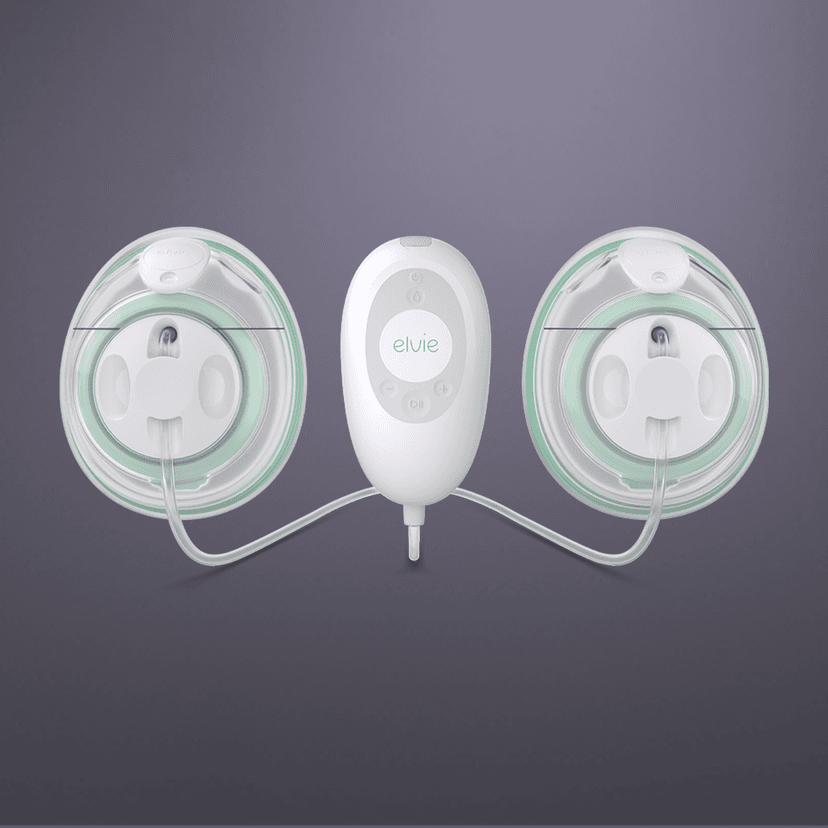
Wearable
Elvie Stride
Truly hands-free and whisper-quiet, but real suction is 43% below what Elvie advertises.
Wearable
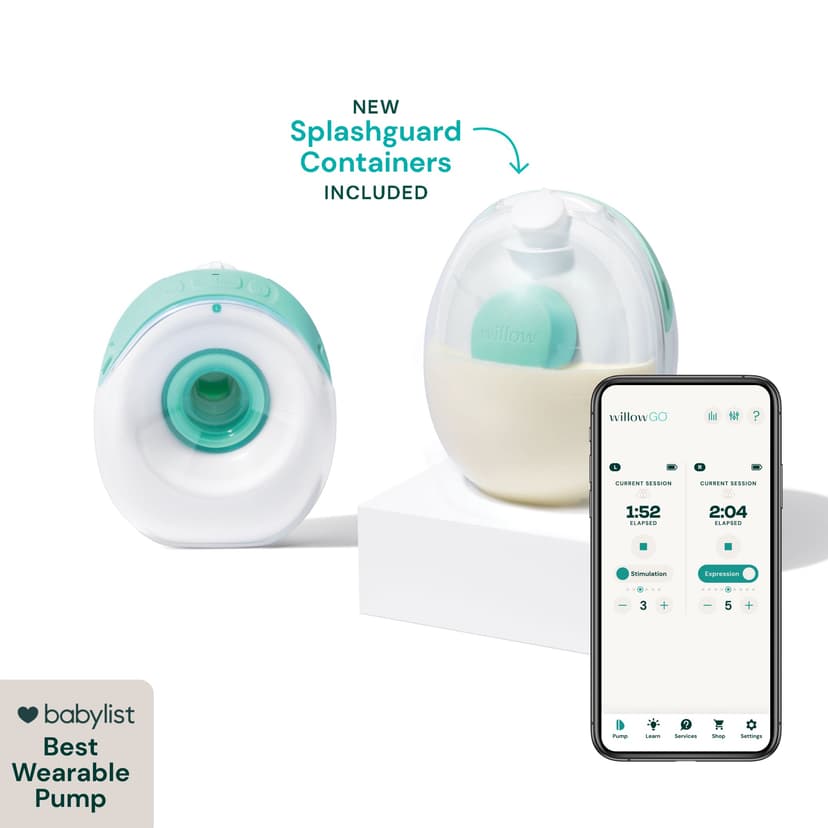
Willow Go
Strong suction for a wearable and fully in-bra — but leaking issues and a steep learning curve.
Wearable
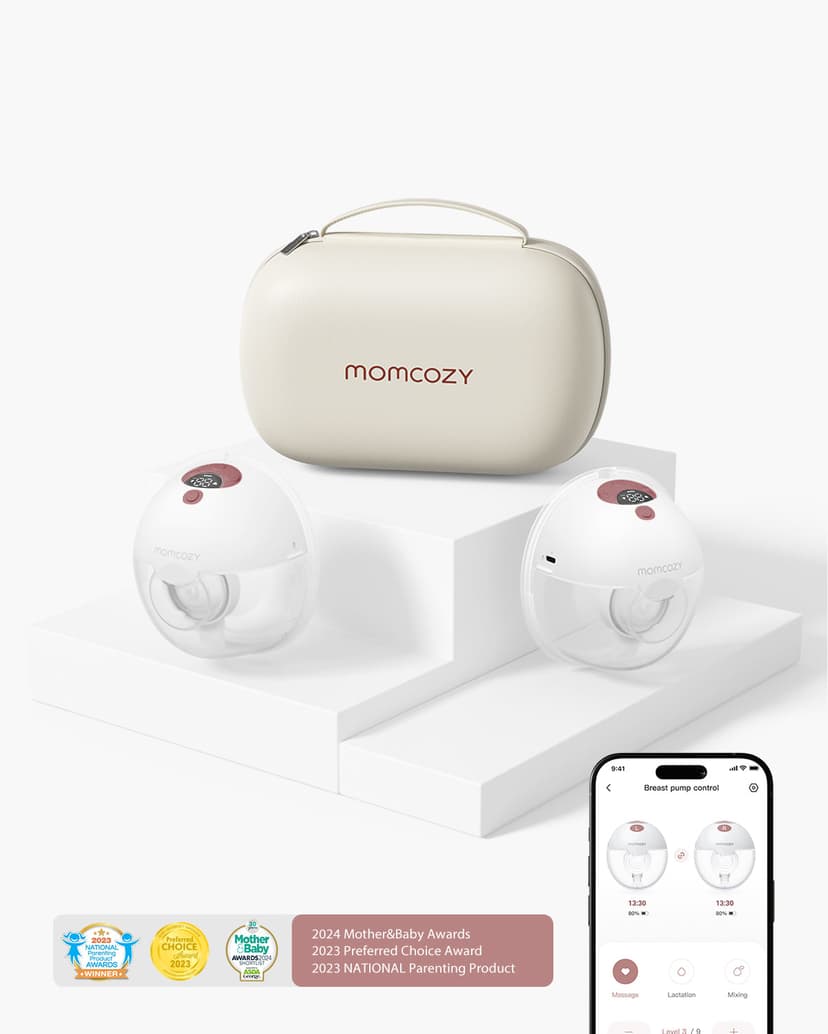
Momcozy M5
The most affordable fully wireless wearable at $170–200, but IBCLCs flag the suction pattern as a long-term supply risk.

Hospital-grade rental
Medela Symphony
The NICU standard for a reason — research-backed suction patterns and near-silent operation. Rent it to establish supply, then transition to a pump you own.

Wearable
Eufy S1 Pro
The first wearable with built-in heating and real suction power. ~260 mmHg tested, wireless charging case lasts days, and the app lets you program custom rhythms. Expensive replacement parts.
Comparison
Eufy S1 vs S1 Pro
Same pump, same suction, same heating — the only difference is a wireless charging case. The S1 at $239 is the value play for home pumpers.
How We Test
Every pump is tested during real exclusive pumping schedules — not a single afternoon session. Per the AAP's 2022 breastfeeding policy, exclusive pumpers need consistent stimulation to maintain supply — so we pump 6-8 times a day for at least two weeks before scoring anything. If a pump can't survive a Tuesday where you're running on four hours of sleep and the baby just spit up on your last clean shirt, it doesn't get a good score.
We compare advertised suction against independent measurements from sources like BabyGearLab and lactation professionals with pressure gauges. We track output across morning, midday, and evening sessions. We test insurance coverage through workplace pumping scenarios. And we read what EP moms on Reddit actually say after month three — not month one, when everything still feels new and exciting.
What We Measure
Each pump is scored on six criteria, weighted by what actually matters to someone pumping 6+ times a day:
| Criteria | What we check | Weight |
|---|---|---|
| Suction (mmHg) | Advertised vs independently measured max suction | 25% |
| Output consistency | Volume across 14+ days, morning vs evening variance | 25% |
| Comfort | Flange fit range, nipple pain, session-over-session wear | 20% |
| Portability | Weight, noise (dB), battery life, discretion at work | 15% |
| Ease of use | Parts count, cleaning time, assembly in the dark at 3 AM | 10% |
| Value | Price vs insurance coverage, replacement part costs, warranty | 5% |
Quick Comparison
All six pumps side by side. Suction figures use independent measurements, not manufacturer claims.
| Pump | Type | Suction | Noise | Price | Score |
|---|---|---|---|---|---|
| Spectra S1 | Portable | 270 mmHg | ~55 dB | $160–225 | 8.5 |
| Spectra S2 | Stationary | 270 mmHg | ~55 dB | $60–100 | 9.0 |
| BabyBuddha | Portable | ~290 mmHg | ~50 dB | $205–230 | 8.0 |
| Elvie Stride | Wearable | ~170 mmHg | ~45 dB | $170–200 | 7.5 |
| Medela PIS | Portable | Not published | ~58 dB | $118–180 | 7.0 |
| Willow Go | Wearable | ~260 mmHg | ~50 dB | $250–300 | 7.0 |
| Momcozy M5 | Wearable | Not published | ~48 dB | $170–200 | 7.0 |
| Eufy S1 Pro | Wearable | ~260 mmHg | 46 dB | $349.99 | 8.0 |
When to Choose What
The right pump depends on how you pump, not which box has the nicest packaging.
- Exclusively pumping at home: Spectra S2. Strongest suction per dollar. You don't need a battery if you're parked on the couch.
- EP + going back to work: Spectra S1for the office (battery), S2 at home. Same motor, same flanges, same settings — your body won't notice the switch.
- Need maximum discretion: Elvie Stride. Quietest pump we tested. Real suction is lower, so pair with a stronger pump for your main sessions.
- Want the strongest portable suction: BabyBuddha. 290 mmHg in something that fits in your palm. The EP community's open secret.
- Want a wearable with real suction + heating: Eufy S1 Pro. ~260 mmHg tested suction, built-in warming for faster letdown, and a charging case that lasts days. The strongest feature-packed wearable available.
- Fully in-bra, no tubes: Willow Go. True wireless freedom — but budget extra patience for the learning curve and potential leaking.
- Tight budget, occasional pumping: Momcozy M5. Fine for 1-2 daily sessions alongside nursing. Not recommended as your only pump if you're exclusively pumping.
- Need the best flange range: Medela Pump In Style. Nine sizes from 15mm to 36mm. If you fall outside the standard 24-28mm window, Medela has you covered without third-party inserts. Not sure what size you need? Our flange size guide has brand-by-brand charts.
Portable vs Wearable Breast Pumps
Two categories, one decision that'll follow you through every pump session for the next year. Get this wrong and you're either re-buying in month two or resenting your pump by month three.
Portable pumps — Spectra S1, Spectra S2, BabyBuddha, Medela Pump In Style — connect to flanges with tubing and sit on a table, a nightstand, or clipped to your waistband. Suction is their whole personality: the Spectra S1 pulls 270 mmHg, the BabyBuddha around 290. You're tethered, though. Folding laundry one-handed while pumping? Not happening. Scrolling your phone in the exact same spot on the couch for 20 minutes? That's the vibe.
Wearable pumps ( Elvie Stride, Willow Go, Momcozy M5) disappear inside your bra. No tubes, no motor dangling. Pump during a Zoom call, pump at Target, pump while pretending to listen to your mother-in-law's breastfeeding advice. Freedom is real. But suction pays the price — the Elvie Stride tested at roughly 170 mmHg, about 37% below the Spectra. Fine for combo-feeding or a few daily sessions. For exclusive pumping where every ml counts, the CDC recommends pumping as often as the baby would normally nurse — which means you need a pump that can sustain that load. IBCLCs almost universally say: keep a portable as your workhorse.
As one r/ExclusivelyPumping mom summed it up: "Portable for output, wearable for sanity." Going back to work? A Spectra S1 or BabyBuddha handles the heavy sessions at home. A wearable covers the office when being discreet matters more than hitting max volume.
Getting a Breast Pump Through Insurance
Under the Affordable Care Act, most health insurance plans must cover a breast pump at no cost. "No cost" is doing some heavy lifting in that sentence — here's what actually happens when you call your insurer.
- Your insurer picks the supplier, not you. Most plans contract with Aeroflow, Edgepark, or 1 Natural Way for DME (durable medical equipment). The pump selection through those suppliers is limited. Spectra S2? Almost always covered. BabyBuddha or Willow Go? Rarely on the list.
- Order 30-60 days before your due date. Processing takes 2-3 weeks, and the pump needs to be unpacked, sterilized, and test-run before your baby arrives. Nobody wants to be troubleshooting flange sizes at 3 AM on day two. Your newborn pumping schedule starts whether you're ready or not.
- The "free" pump is the base model.Insurance covers the Spectra S2 at $0 — want the S1 with a battery? That's a $40-80 upgrade out of pocket. The Elvie Stride was built for insurance channels from the start, making it one of the few wearables you can actually get covered.
- One pump per pregnancy, period.Want a wearable for the office and a portable for home? You're buying pump #2 yourself. This is exactly where the Momcozy M5 earns its spot — $170-200 for a fully wireless second pump is reasonable.
Frequently Asked Questions
What is the best breast pump for exclusive pumping?+
Are wearable breast pumps strong enough for exclusive pumping?+
How much should I spend on a breast pump?+
What's the difference between open and closed system pumps?+
Can I use two different breast pumps?+
Related Reading
- Pumping Schedule by Age — find the right session count before choosing a pump
- How Long to Pump — session length varies by pump type
- How to Increase Milk Supply — when supply drops, your pump matters more
- Power Pumping Schedule — not every pump handles hour-long power sessions well
- Breast Milk Storage Guidelines — what to do with the milk once you pump it